Strategic Database Architecture for AI : Unified vs. Split
AI applications need both fast transactional data handling and vector search. The main choice is whether to manage these in separate systems or keep everything in one place.
 MartechAdministrator

| AI applications need both fast transactional data handling and vector search. The main choice is whether to manage these in separate systems or keep everything in one place. Split setups use one database for core data and another for vectors, which means constant syncing between the two. That adds extra code, more failure points, and slower queries because data has to be fetched in multiple steps. Issues like missing or outdated results are common if systems fall out of sync, and maintaining this setup increases both development effort and cost. | ||||
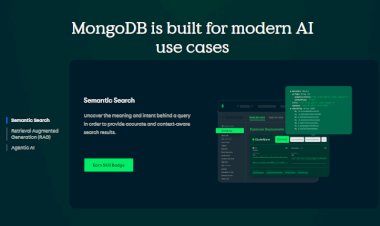
A unified setup keeps data and vectors in a single database. This removes the need for synchronization and allows queries to run in one step, improving speed and consistency. MongoDB Atlas follows this approach by supporting vector search directly within the database, so developers can store and query everything together. It simplifies the architecture, reduces overhead, and makes it easier to build and scale AI features without dealing with multiple systems. |
||||
|
REGISTER NOW
All fields are required*